What to Wear Hunting in September: An Early-Season Layering Guide
How to build a hunting clothing system for hot afternoons, cold mornings, humidity, mountain weather, and everything in between.
Affiliate disclosure: Camo Matrix may earn a commission from qualifying purchases made through links in this article. Product recommendations are chosen to help explain the different jobs each layer performs.
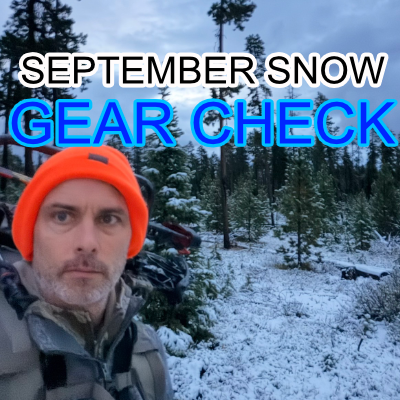
September hunting can mean two completely different things. An early whitetail hunt in the Southeast might start warm and humid before sunrise and get hotter as the day goes on. A September elk hunt in the mountains can begin near freezing, climb into a warm afternoon, and turn cold again as soon as the sun drops.
That is why early-season hunting clothing should be treated as a system, not an outfit. The goal is not to dress for one temperature. It is to build a system that lets you vent heat, move moisture, add warmth when you stop, and carry weather protection for when conditions change.
The Biggest Mistake: Dressing for the Truck
One of the easiest mistakes to make is dressing to feel comfortable while standing beside the truck before daylight. You put on enough clothing to feel warm while standing still, start walking, and twenty minutes later you are sweating through your base layers.
Then you stop moving, the sweat cools, and suddenly you are cold again.
A better approach is to begin the hunt slightly cool when you know you are about to move. Carry the warmth you will need later and add it when your activity level drops.
Layer 1: Manage Sweat Before You Worry About Warmth
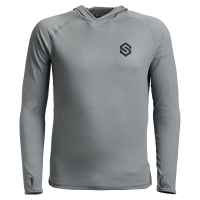
The layer against your skin has one primary job: move moisture away from your body. During early-season hunts, especially when hiking, climbing, or carrying a pack, moisture management often matters more than insulation.
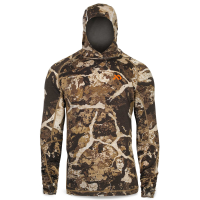
Lightweight synthetic fabrics generally dry quickly and work well during high-output activity. Merino wool and merino blends can add odor resistance and a wider comfort range. Neither is automatically better for every hunter.
Hot-Weather Synthetic Options


Merino-Blend Option
Synthetic vs. Merino: Which Makes More Sense?
Synthetic layers are usually a strong choice when drying speed and high-output movement are the priorities. Merino and merino-blend layers can be especially useful on longer hunts where odor control, comfort, and changing temperatures matter.
The best choice depends on how hard you expect to move, how long you will be out, and how often you can change or dry your clothing.
Don't Forget Your Legs
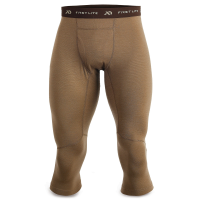
Hunters spend a lot of time thinking about shirts and jackets, but moisture management matters below the waist too. A lightweight lower base layer can help move moisture without adding the bulk of traditional cold-weather long underwear.
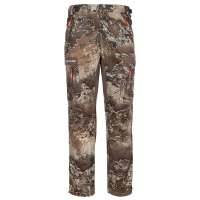
Early-Season Hunting Pants: Western Movement vs. Eastern Whitetails
A good September elk pant is not automatically a good September treestand pant. The month may be the same, but the hunt is different.
Western and High-Output Hunting
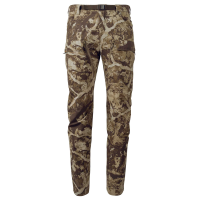
Hunters covering miles in broken terrain usually benefit from low weight, airflow, stretch, quick drying, and enough durability to handle brush and repeated movement.


Eastern Early-Season Whitetail
Early whitetail hunters often face a different set of problems: humidity, mosquitoes, scent, quiet movement at bow range, and long periods of sitting still. That can make fabric noise, comfort, and moisture control more important than shaving every possible ounce.
The Midlayer: Warmth You Can Vent
A light fleece or active midlayer bridges the gap between a base layer and heavier insulation. It should add warmth without immediately becoming too hot when you start moving again.

Zippers and vents are part of the layering system too. Sometimes opening a half zip or venting a jacket is enough to control temperature without stopping to remove an entire layer.
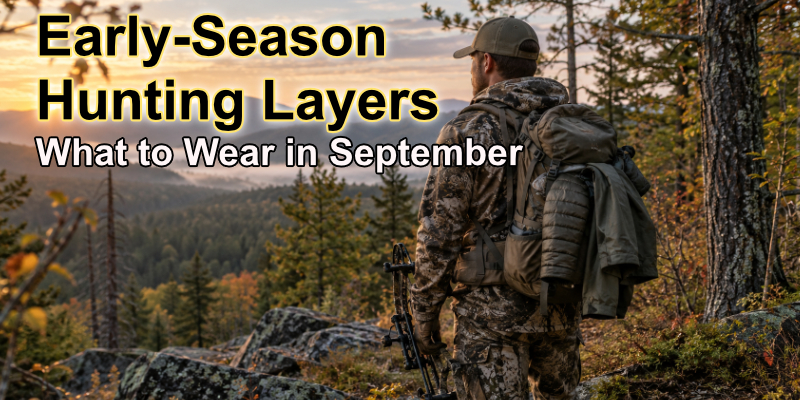
The Warm Layer May Belong in Your Backpack
The warmest layer in an early-season system may spend most of the hunt inside your pack. That does not make it unnecessary.
Packable insulation earns its keep before sunrise, while glassing, during a windy lunch stop, after a hard climb, or any time your activity level suddenly drops.

Unless conditions demand it, avoid doing your hardest hiking in your warmest layer. Carry it dry and use it when you stop producing as much body heat.
Rain Gear: Protection vs. Overheating
A waterproof shell keeps outside moisture from reaching you, but your body is still producing moisture underneath it. That is why breathability, venting, weight, and packability matter.
There are several ways to solve the problem, and they do not all require the same type of jacket.
Lightweight Packable Rain Protection

Quiet Early-Season Hunting Shell
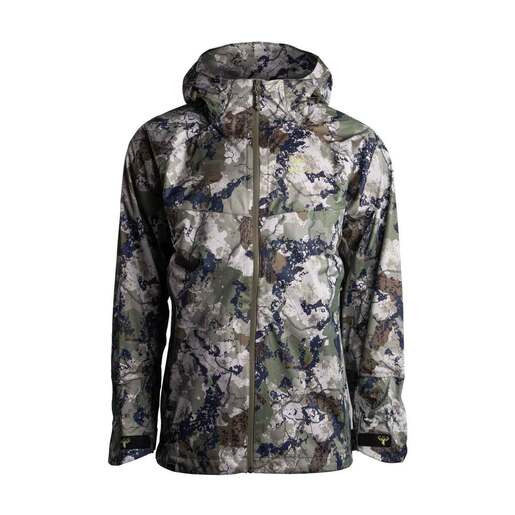
Premium Mountain Outer Layer

These products should not be thought of simply as cheap, mid-priced, and expensive versions of the same thing. A lightweight emergency shell, a quieter hunting shell, and a more substantial mountain outer layer solve different problems.
Two September Hunts, Two Different Systems
Example: Early-Season Carolina Whitetail
A humid early-season whitetail setup may start with a lightweight moisture-managing top and quiet hunting pant. A light fleece can stay in the pack for a cooler morning, while rain protection is added when the forecast calls for it.
- Prioritize humidity and moisture management.
- Choose quiet fabrics for close-range movement.
- Think about insects, brush, and scent.
- Carry only as much insulation as the conditions require.
Example: September Montana Elk
A mountain elk system has to deal with more movement, larger elevation changes, wind, and potentially much wider temperature swings during the same day.
- Start with a lightweight base layer.
- Use breathable, mobile pants for climbing and covering ground.
- Carry an active fleece for changing temperatures.
- Keep packable insulation available for glassing and stops.
- Carry weather protection even when the morning starts clear.
Women's Early-Season Layering
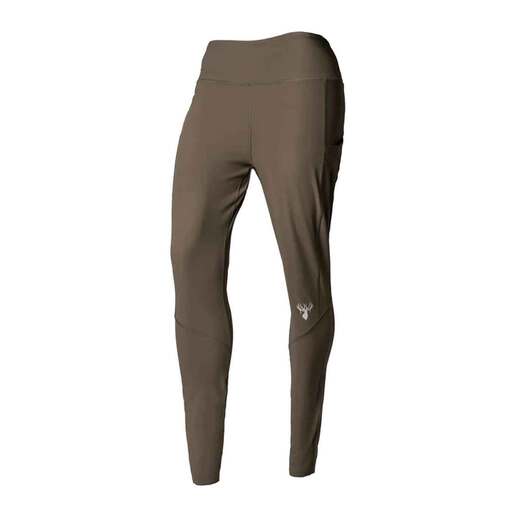
The basic layering principles do not change for women, but fit matters. Waistband position, rise, articulation, torso length, and avoiding bunching between layers all affect comfort and mobility during a hunt.
Choose the Clothing First, Then Choose the Camouflage
Clothing performance and camouflage performance are two separate decisions. First choose the layers that manage heat, moisture, movement, insulation, and weather. Then choose the camouflage pattern that fits the environment where you will actually hunt.
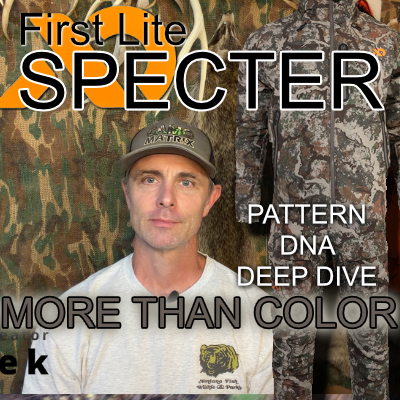
Camo Matrix gives you several ways to take that next step. Explore individual patterns in Camopedia, study how patterns are built through Pattern DNA, and use the Camo Lab to compare camouflage against hunting environments.
Simple Early-Season Layering Checklist
- Against your skin: manage moisture.
- Outer clothing: manage heat, movement, brush, and noise.
- Midlayer: add adjustable warmth.
- Insulation: carry warmth for when you stop.
- Shell: carry protection for wind and rain.
- Camouflage: choose the pattern for the environment after the clothing function is solved.
You do not need every layer on your body at once. A good September hunting clothing system is one that keeps you comfortable while moving, dries quickly, adds warmth when activity drops, and gives you enough weather protection when conditions change.