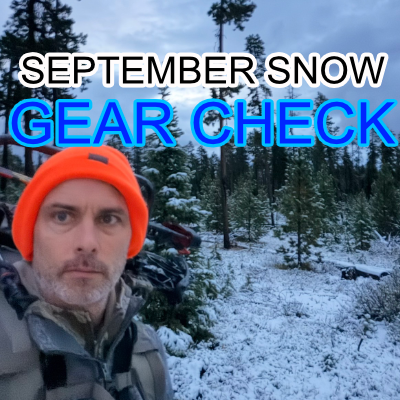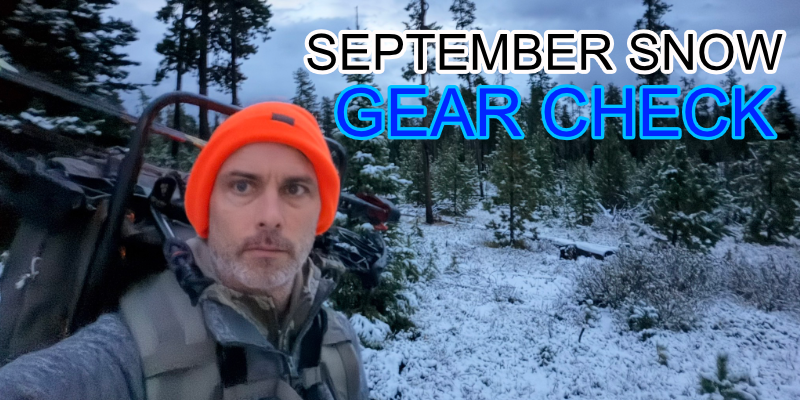
One September morning in Montana, rain in the valley turned into snow at 7,100 feet. I had merino wool layers, lightweight hunting clothes, and a plan to spend the day elk hunting. What I didn't have was enough protection from the cold—and one forgotten item ultimately shortened my hunt.
September 14: Rain in the Valley, Snow on the Mountain
Rain woke me during the night. It was coming down hard enough to get my attention, but by the time I needed to leave, it had stopped. I got up and headed out to hunt elk in the Montana mountains.
At about 5 a.m., I arrived at my hunting area around 7,100 feet in elevation. It was still dark, and there was an inch or two of snow on the ground. What had fallen as rain down in the valley had become snow higher up.
I was wearing thin hunting pants over a merino wool base layer, a merino wool top, and a lightweight hoodie. Those clothes had worked for the conditions I'd been hunting in. But standing there in the snow, I knew they weren't enough for that morning.
I found a thicker blaze-orange beanie and a light gray fleece jacket in the car. The fleece wasn't even hunting clothing; it was simply an extra layer I could put on. I took what I had and headed out.
The Piece of Gear I Missed Most Was a Pair of Gloves
I didn't have gloves. As I walked, I tucked my hands behind my binocular harness to protect them from the cold. That helped a little while I was moving, but it wasn't a solution for spending hours outside.
In my pack, I carry pieces of an old pop-up hunting blind with a realistic camouflage print. The waterproof material makes a useful ground cover when I sit, keeping moisture and dirt off my clothes. I also carry a separate piece of brownish military camouflage fabric. That morning I sat on the ridge with the waterproof blind material underneath me and draped the other fabric over myself to help hold in some warmth.
Those improvised pieces helped, but my hands were still getting too cold. I started thinking beyond the hunt itself: what if I harvested an elk? Quartering an animal means handling a knife and doing careful, physical work with your hands in the same cold conditions. I wasn't confident my hands would function well enough to do that safely.
So I shortened the hunt. I didn't leave because I had stopped wanting to hunt. I left because I hadn't brought what I needed to finish the job if the hunt was successful.
Field lesson: Your clothing needs to support the entire hunt, including recovery and field care—not just the hike in or the time spent waiting for an animal.
1. Carry Gloves Before You Think You'll Need Them
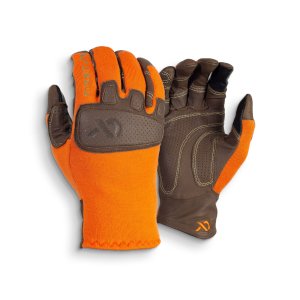
Gloves take up little space, and forgetting them can have an outsized effect. A lightweight, dexterous glove can help during an active hunt, but it may not be warm enough for a long stationary sit in freezing weather. For unpredictable mountain conditions, I'd rather have a light pair for normal use and a warmer, wind-resistant backup in the pack.
The First Lite Shale Touch Hybrid Glove is one option to consider for lighter-duty hand protection and dexterity. I would not treat it as a replacement for a truly warm cold-weather glove. Hunters should also pack suitable protective gloves for field dressing and keep their hands dry.
2. Pack Insulation for When You Stop Moving
One of the challenges of elk hunting is that clothing that feels comfortable while climbing can feel inadequate after you've been sitting still. Hiking generates body heat; sitting on a ridge doesn't. Wearing all your insulation on a steep climb can also leave you sweaty, which makes the next stationary period less comfortable.
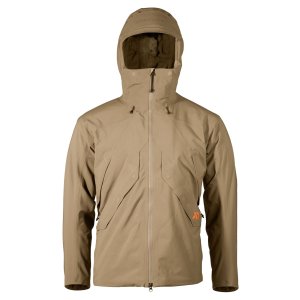
That is why I like the idea of a packable insulating layer that stays in the pack while I'm working uphill and comes out when I settle in. My gray fleece gave me an extra layer that snowy morning, but a dedicated insulating jacket would have been a more deliberate part of the system.
The First Lite Uncompahgre insulated jacket is worth considering for that role. Match the jacket to your activity level, expected conditions, and the room available in your pack. Insulation adds warmth, but a separate weatherproof shell may still be necessary in sustained precipitation.
3. Don't Forget Your Legs
I had a merino base layer under my lightweight pants, but my outer pants were still designed for relatively mild weather. Cold legs become especially noticeable when you stop moving, sit on wet ground, or get exposed to wind.
One option for changing conditions is an additional insulating bottom that can be put on or removed without a complete clothing change. Zip-off long johns are particularly useful for hunters who alternate between long hikes and stationary sits.
The First Lite Men's Kiln Zip Off Long John is a practical example. It isn't a substitute for waterproof outerwear, but it can add warmth when a light pant and base layer are no longer enough.

4. Protect Your Layers From Rain and Wet Snow
The storm that woke me in the valley is a reminder that a forecast or a look out the window at lower elevation may not tell you exactly what is happening at your hunting spot. Rain can become snow as elevation increases, and wet clothing can make cold conditions harder to manage.
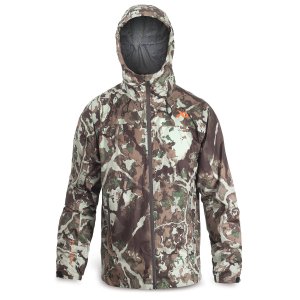
A rain shell has a different job from an insulating jacket. The shell helps keep precipitation and wind away from the layers underneath; the insulation helps retain body heat. Depending on conditions, you may need both.
First Lite's Vapor rain jacket is one shell option to evaluate for packability and wet-weather protection. A rain jacket alone won't solve cold hands, wet lower legs, or inadequate insulation, so think of it as one part of the system.
5. Build on the Merino Layers You Already Own
My merino wool base layers weren't the problem that morning. I already had them on. The bigger issue was what I hadn't packed over them—and what I hadn't packed for my hands.
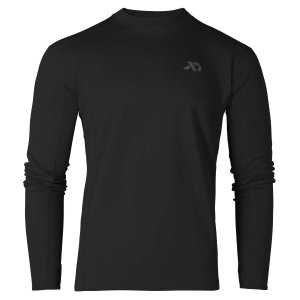
Base layers still matter. They sit next to your skin, help manage moisture, and contribute warmth. Merino wool is useful across a range of hunting conditions, although fabric weight and how hard you're moving both matter. A heavier base layer isn't automatically the best choice for an uphill hike.
For hunters looking to add a warmer merino option to their kit, the First Lite Kiln base layer is worth comparing with what they already own. Choose the weight for your conditions instead of replacing a functional layer simply because the season has changed.
6. Keep Snow and Moisture Out of Your Boots
After that snowy morning, I asked my wife to ship my heavier hunting jacket, pants, and gaiters from home. I wanted to have the option if the weather turned again. As it happened, I didn't need those heavier pieces for the remainder of the trip.
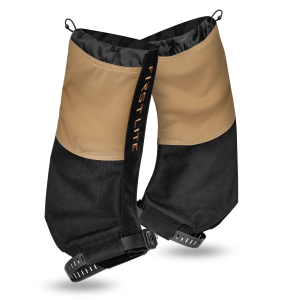
Gaiters are a good example of gear you might not wear every day but appreciate when snow, wet brush, or muddy trails become part of the hunt. They help protect the lower legs and reduce the chance of moisture and debris getting into your boots.
The First Lite Shale Gaiters are an option for hunters who regularly encounter those conditions. They're not a replacement for properly fitted waterproof boots, but they can add protection when the trail turns wet or snowy.
What I'd Pack Differently Next Time
I wouldn't automatically wear a heavy jacket and insulated pants every morning. On a steep hike, that can be uncomfortable and unnecessary. I would make sure the right layers and accessories were available before leaving the vehicle—especially when hunting at elevation.
- Gloves: a dexterous pair for hunting, a warmer backup, and appropriate gloves for field care.
- Packable insulation: an extra jacket for long stationary periods.
- Adjustable leg warmth: a base or insulating layer that fits the expected temperature swing.
- Weather protection: a rain shell and, when conditions warrant, gaiters.
- Dry seating: a lightweight waterproof ground barrier, like the old blind material I already carry.
- A plan for recovery: enough warmth, dexterity, daylight, and equipment to safely field-dress and transport an animal.
I'd also check the forecast for the actual elevation of the hunt, not just the nearest town or valley. Mountain weather can change quickly, and conditions at the trailhead may be very different from those on the ridge.
The Real Lesson From That September Morning
That snowstorm didn't mean all my early-season clothing was wrong. My merino layers were useful, my improvised ground cover did its job, and the extra fleece helped. But the missing gloves and lack of readily available cold-weather protection changed how long I could responsibly stay out.
The heavy jacket, pants, and gaiters I had shipped later never got used on that trip. That's fine. The point of carrying backup gear isn't to guarantee you'll use it; it's to have the option when conditions demand it.
Sometimes the most important gear isn't what you're wearing. It's what you remembered to bring.
Affiliate disclosure: Camo Matrix may earn a commission from qualifying purchases through product links in this article, at no additional cost to you. Product recommendations are based on the roles the gear can serve; products discussed here should not be interpreted as gear I personally used during the September 14 hunt unless explicitly stated.